Campbell Font: A Bold Statement in Design
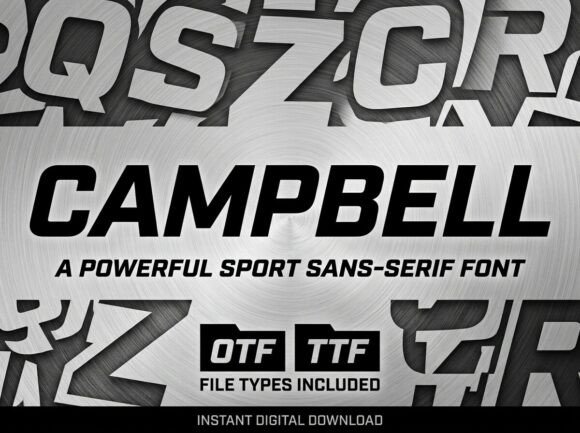
When it comes to making a strong visual impact, few fonts carry as much weight as Campbell. This stunning decorative display font is crafted with an artistic flair that sets it apart from the ordinary. Designed for those who want to break away from standard typography, Campbell is more than just a font—it's a statement.
What Makes Campbell Unique?
Campbell stands out due to its unique artistic elements and strong visual personality. Every letter is a work of art, designed to capture attention and leave a lasting impression. Unlike typical sans-serif or serif fonts, Campbell brings a level of creativity and boldness that is perfect for high-impact use cases.
The font’s design is centered around its uppercase-only structure. This means it does not include lowercase letters, which makes it ideal for headlines, logos, and other applications where every character needs to be eye-catching and consistent. The lack of lowercase letters also ensures a clean, professional finish that doesn’t compromise on style.
Key Features of Campbell
- Artistic Display: Each letter in Campbell is designed with intricate details that make it visually striking.
- Uppercase Only: Perfect for logos, banners, and titles where consistency and impact are key.
- Professional Finish: Despite its artistic nature, Campbell maintains a polished look suitable for both creative and business contexts.
- High-Impact: Ideal for grabbing attention in digital and print media alike.
- File Formats: Available in OTF and TTF formats, ensuring compatibility with most design and layout software.
Where Can You Use Campbell?
Campbell is incredibly versatile, making it suitable for a wide range of applications. Here are some common use cases:
Headlines and Logos
One of the best uses for Campbell is in headlines and logos. Its bold, artistic style makes it perfect for branding projects where you want your name or tagline to stand out. Whether it's for a startup, a creative agency, or a personal brand, Campbell can help you create a memorable identity.
Artistic Packaging and Design
For designers working on packaging, posters, or other creative projects, Campbell offers a unique way to elevate the visual appeal. Its decorative elements can add a touch of sophistication and originality to any design, helping your product or message stand out in a crowded market.
Online Content and Social Media
In the digital space, Campbell can be used to create eye-catching social media posts, website headers, and even video overlays. Its strong visual presence ensures that your content will grab attention and make a lasting impression.
Who Benefits From Using Campbell?
Campbell is particularly beneficial for a variety of users, including:
- Creatives: Graphic designers, illustrators, and artists looking for a unique font to enhance their work.
- Business Owners: Entrepreneurs and small business owners who want to build a strong brand identity.
- Content Creators: Bloggers, influencers, and social media managers seeking to differentiate their content visually.
- Print and Digital Designers: Professionals who need a versatile font that works across multiple platforms.
Strengths and Considerations
While Campbell has many strengths, it's important to consider its limitations before using it in your projects.
Strengths
- Strong Visual Impact: The font's bold design ensures that it commands attention in any context.
- High-Quality Files: The OTF and TTF formats ensure compatibility and quality across different devices and software.
- Professional Appearance: Despite its artistic nature, Campbell maintains a polished and professional look.
- Customization Options: It allows for creative freedom when designing logos, headers, and other visual elements.
Considerations
- No Lowercase Letters: Since Campbell only includes uppercase characters, it may not be suitable for all types of text.
- Limited Versatility: While it excels in specific use cases, it may not be the best choice for long-form content or body text.
- Compatibility Check: Ensure that the software you're using supports the OTF or TTF format before purchasing.
Evaluating Suitability for Your Project
Before deciding to use Campbell, it's essential to evaluate whether it aligns with your project's goals and requirements.
If you're creating a logo, a headline, or a banner, Campbell could be an excellent choice. However, if your project requires extensive text or a more traditional typographic style, you might want to consider alternative fonts.
It's also important to test the font in different contexts to see how it performs. For example, using Campbell on a website header might look fantastic, but it may not be the best option for body text due to its lack of lowercase letters and overall boldness.
Real-World Applications
Campbell has already found its place in various real-world scenarios. Here are a few examples:
Brand Identity Projects
A local coffee shop might use Campbell in their logo and signage to create a unique and memorable brand image. The font's bold design helps convey energy and creativity, aligning well with the shop's vibe.
Event Invitations and Posters
Designers often use Campbell for event invitations and posters, where the font's eye-catching nature helps draw attention and set the tone for the event.
Product Packaging
For a boutique clothing line, Campbell could be used on product tags or packaging to add a touch of elegance and uniqueness. Its artistic elements help differentiate the brand from competitors.
Conclusion
Campbell is more than just a font—it's a powerful tool for creators and professionals looking to make a bold statement. With its unique design, versatility, and professional finish, it offers a compelling solution for a wide range of design needs.
Whether you're building a brand, creating digital content, or designing physical products, Campbell can help you stand out in a crowded marketplace. Just remember to evaluate its suitability for your specific project and use it where it shines the brightest.